

When low mood feels like part of who you are, it can be hard to know what is personality and what is depression. The term depressive personality disorder has appeared in psychiatric research for decades. However, it is not a standalone diagnosis in the current DSM-5-TR.
This distinction matters when you search for answers about long-term sadness, self-criticism, or negative thoughts. This guide explains the term, related symptoms, diagnosis, treatment, and current research.
Key Takeaways
- Depressive Personality Disorder describes long-term patterns linked with low mood and negative thinking.
- However, it is not a standalone DSM-5-TR diagnosis.
- Similar symptoms can occur with recognized depressive disorders.
- A mental health professional can assess symptoms and patterns over time.
- Clinical Research Studies may offer options for eligible people.
What Are Depressive Personality Disorder Symptoms?
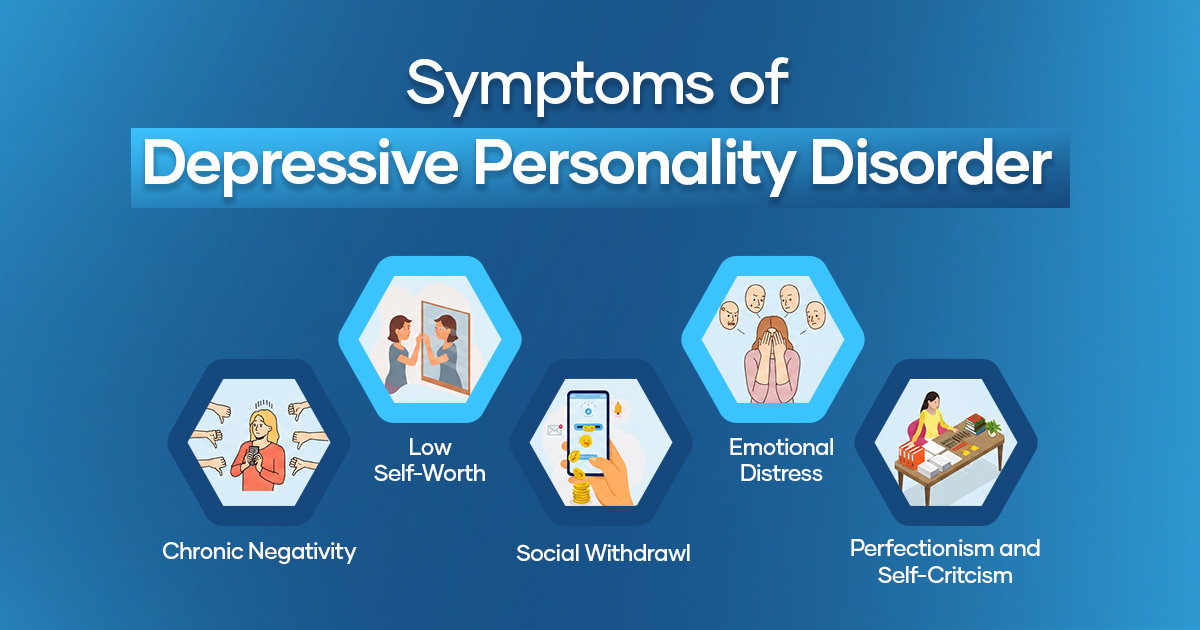
Depressive personality disorder symptoms describe long-term traits linked with a gloomy or self-critical outlook.
Furthermore, research has described people with persistent pessimism and low self-worth. They may expect failure or focus strongly on their own faults. Some may also feel guilt, sadness, or a lack of pleasure.
However, having these traits does not mean you have a personality disorder. Symptoms can occur with depression and other mental health conditions. A clinician must consider your full history before reaching a diagnosis.
What Do Negative Thinking Patterns Look Like?
Negative thinking patterns involve repeated thoughts that focus on faults, failure, or poor outcomes.
For example, you may often think that mistakes prove you are not good enough. You might also expect bad results before something even happens.
Furthermore, these thoughts can affect work, school, relationships, and daily choices. They may also become harder to challenge when they continue for years.
Still, occasional negative thoughts are normal. The concern grows when these patterns remain strong and affect daily function.
What Are the Signs Of Depressive Personality Disorder?
The signs of depressive personality disorder can include a long-term gloomy outlook and frequent self-criticism.
Furthermore, historical descriptions included traits such as pessimism, low self-esteem, guilt, and self-doubt. Some people may also have difficulty seeing positive outcomes.
However, one or two traits cannot confirm a diagnosis. Clinicians look for lasting patterns that affect several areas of life.
The term can also cause confusion because similar signs occur in depressive disorders. Therefore, professional assessment remains important when symptoms persist.
Can Constant Feelings Of Sadness Be a Sign?
Constant feelings of sadness can occur with several mental health conditions.
For example, persistent depressive disorder involves depressed mood for at least two years in adults.
However, sadness alone does not establish a diagnosis. Your clinician may ask about sleep, energy, appetite, focus, pleasure, and daily function.
Furthermore, they may ask when these changes began and how long they last. This helps separate temporary distress from a longer-term condition.
How Is Depressive Personality Disorder Different From Depression?
The main difference involves the pattern and clinical diagnosis.
Major Depressive Disorder involves specific symptoms that occur during depressive episodes. These symptoms can include low mood, loss of interest, sleep changes, and reduced energy.
Furthermore, depressive personality research focused more on enduring personality traits. Researchers have also found substantial overlap between depressive traits and persistent depression.
Today, clinicians use recognized DSM-5-TR diagnoses rather than treating Depressive Personality Disorder as a standalone disorder.
What Is Chronic Depressive Personality Disorder?
Chronic depressive personality disorder is not a current formal DSM-5-TR diagnosis.
Instead, people may use this phrase to describe long-lasting depressive traits or symptoms. It can also appear in online searches about persistent sadness and personality.
Furthermore, persistent depressive disorder is a recognized condition involving long-term depressed mood. Adults must have symptoms for at least two years for this diagnosis.
Therefore, the phrase should not replace a professional diagnosis.
How Is Depressive Personality Disorder Diagnosis Made?
A depressive personality disorder Diagnosis cannot come from an online quiz or symptom list.
Instead, a qualified mental health professional reviews your history and current symptoms. They may ask about your mood, relationships, self-image, work, and daily function.
Furthermore, they may explore when your patterns began. They can also assess whether symptoms occur during depressive episodes or remain present over time.
Older research used structured interviews to assess depressive personality traits. Today, clinicians must use current diagnostic standards when assessing mental health conditions.
What Conditions Can Look Similar?
Several conditions can share symptoms with depressive personality traits.
These can include:
- Major Depressive Disorder
- Persistent Depressive Disorder
- Anxiety disorders
- Certain personality disorders
- Other conditions that affect mood
Furthermore, symptoms can occur together. A person may have depression alongside personality-related difficulties.
Therefore, your clinician will look at the full clinical picture. This approach helps avoid confusing similar symptoms with different conditions.
What Does the Clinical Assessment Look At?
During a clinical assessment, your mental health professional may review several areas.
First, they may ask about mood and emotional changes. They may also ask about sleep, appetite, energy, focus, and interest.
Furthermore, they may assess your self-image and usual thinking habits. Your relationships and daily responsibilities can provide useful information too.
Finally, they may review your mental health history and current treatments. This information helps them choose the most suitable diagnosis and care plan.
How Can Depressive Personality Traits Affect Daily Life?
Long-term negative patterns can affect many parts of daily life.
For example, self-criticism may make work or study feel harder. Pessimism may also make new tasks seem less worthwhile.
Furthermore, low self-worth can affect relationships. You may assume others dislike you or expect rejection without clear evidence.
Over time, these patterns can reduce motivation and social contact. They can also make it harder to seek help.
When Should You Talk With a Mental Health Professional?
Consider speaking with a professional when low mood continues or affects daily life.
Furthermore, seek assessment if you notice major changes in sleep, appetite, energy, focus, or interest. Persistent withdrawal from friends or family also deserves attention.
You should also seek urgent support if you have thoughts of harming yourself. A qualified professional can help assess your symptoms and discuss suitable care.
How Are Depressive Symptoms Treated?
Treatment depends on the condition causing your symptoms.
For depression, treatment may include psychotherapy, medication, or both. Your clinician may also discuss sleep, activity, social support, and other daily habits.
Furthermore, treatment plans can change as symptoms change. Regular follow-up helps your healthcare team assess progress and side effects.
There is no single treatment that works for everyone. Your diagnosis, symptoms, medical history, and preferences all matter.
Can Therapy Help With Negative Thinking Patterns?
Therapy can help you notice and question unhelpful thought patterns.
For example, cognitive behavioral therapy focuses on links between thoughts, feelings, and actions. It can help you test thoughts against facts and develop healthier responses.
Furthermore, therapy can address self-criticism, low confidence, and difficult relationship patterns. Your clinician can recommend an approach based on your needs.
Therapy does not mean your feelings are not real. Instead, it provides structured support for understanding and responding to them.
What Does Current Research Say?
Research into depressive personality disorder continues because personality traits can overlap with depressive symptoms.
Earlier studies examined whether depressive personality should have its own diagnostic category. Researchers found both support for the concept and concerns about overlap with other disorders.
Furthermore, later DSM research moved toward describing personality problems through broader trait patterns. These include negative affectivity and detachment.
Current research can therefore study depressive traits without treating them as one separate diagnosis.
What Are Psychiatry Research Studies Examining?
Psychiatry research studies can examine many parts of mental health.
Researchers may study symptoms, risk factors, treatment response, personality traits, and long-term outcomes.
Furthermore, researchers can examine how personality traits affect depression treatment. Recent work has explored whether personality features can help predict recovery from major depressive disorder.
These findings may help researchers better understand why people experience depression differently.
Major Depressive Disorder Clinical Trials
A New Path Could Start Here
Navigate Major Depressive Disorder clinical trials and see if you may qualify to support research into future treatment options.
Can Clinical Trials Help With Depressive Disorders?
Clinical trials test potential treatments and other approaches under controlled research plans.
Major depressive disorder clinical trials may study medicines, therapy methods, devices, or different care strategies.
Furthermore, each study has specific eligibility rules. These may include age, diagnosis, symptom severity, current medication, and health history.
Before joining, researchers explain the study and its possible risks. You can ask questions before deciding whether participation feels right for you.
Clinical research studies do not guarantee a specific treatment result. However, they can contribute to research that may improve future care.
What Are Major Depressive Disorder Clinical Trials?
Major Depressive Disorder Clinical Trials focus on people who meet a study’s specific criteria.
Some trials test new treatments. Others compare existing approaches or study how symptoms change over time.
Furthermore, participation usually includes screening and scheduled study visits. Researchers may also monitor symptoms, treatment effects, and overall health.
Eligibility varies between studies. Therefore, a research team must review your information before confirming whether you qualify.
How Can You Prepare for a Mental Health Research Study?
Before a study begins, researchers usually conduct a screening visit.
During screening, the team may review your medical history and current symptoms. They may also ask about medications and previous treatments.
Furthermore, the research team should explain study visits, procedures, possible risks, and expected benefits. This process helps you make an informed choice.
You can also ask about time commitments and what happens if you leave the study. Participation is voluntary, and you can discuss concerns with the research team.
How Does Zillan Clinical Research Support Research?
Zillan clinical research provides a clinical research setting for studies involving eligible participants.
Furthermore, research sites follow study plans and safety requirements set for each trial. Research teams collect study information while monitoring participant safety.
If you are considering a study, ask the research team about eligibility and study requirements. They can explain what participation involves before you make a decision.
What Should You Know Before Seeking Help?
Self-diagnosis can be confusing when several conditions share similar symptoms.
Therefore, talk with a qualified mental health professional if your symptoms persist. Keep track of mood changes, sleep, energy, and daily function before your appointment.
Furthermore, tell your clinician about current medicines and previous mental health care. This information can help them understand your situation more clearly.
Most importantly, remember that a label does not define your personality or your future.
What Are the Most Common Questions About Depressive Personality Disorder?
What Are The Signs Of Personality Disorder?
Personality disorders involve lasting patterns in thoughts, emotions, relationships, and behavior. These patterns cause distress or problems with daily life.
Furthermore, diagnosis requires assessment by a trained mental health professional. A single trait does not mean you have a personality disorder.
What’s The Most Depressed Personality Type?
There is no personality type that psychiatry considers the “most depressed.”
However, some traits can occur more often alongside depression. These may include high negative affectivity or low positive emotionality.
Furthermore, having these traits does not mean you will develop depression.
What Is Double Depression?
“Double depression” commonly describes Major Depressive Disorder occurring with persistent depressive disorder.
In this situation, a person has long-term depressive symptoms and also experiences a major depressive episode.
Furthermore, a clinician must assess the symptoms and their timing. Treatment depends on the person’s full clinical picture.
Is Depressive Personality Disorder Still a Diagnosis?
No. Depressive personality disorder is not a standalone diagnosis in the current DSM-5-TR.
However, researchers still study depressive personality traits and their links with depression.
Furthermore, related symptoms may still require professional assessment and treatment.
Can Personality Traits Increase Depression Risk?
Some personality traits may relate to depression risk or treatment outcomes.
However, traits alone cannot predict whether someone will develop depression.
Furthermore, researchers continue studying how personality features interact with depressive symptoms and treatment.
Depressive Personality Traits and Related Conditions
| Feature | Depressive Personality Traits | Major Depressive Disorder | Persistent Depressive Disorder |
|---|---|---|---|
| Main pattern | Long-term personality traits | Depressive episodes | Long-term depressed mood |
| Current DSM-5-TR status | Not a standalone diagnosis | Recognized diagnosis | Recognized diagnosis |
| Mood changes | Linked with long-term outlook | May mark a clear change | Persists over time |
| Assessment | Personality history and function | Symptoms, duration, and function | Symptoms and duration |
| Treatment | Depends on clinical findings | Therapy, medication, or both | Therapy, medication, or both |
Major Depressive Disorder Clinical Trials
A New Path Could Start Here
Navigate Major Depressive Disorder clinical trials and see if you may qualify to support research into future treatment options.
What Should You Do If These Patterns Sound Familiar?
The term depressive personality disorder has a long research history. However, it is not a standalone diagnosis in the current DSM-5-TR.
Instead, clinicians assess recognized depressive disorders and personality patterns using current diagnostic standards. Persistent sadness, self-criticism, and negative thinking deserve attention when they affect daily life.
Furthermore, you do not need to figure out the diagnosis alone. Talk with your healthcare team about symptoms that continue or worsen.
If you are interested in research, Zillan Clinical Research has Clinical Research Studies for eligible participants. Ask the research team about current studies, eligibility, and what participation involves.
Your symptoms are worth discussing, even when you are unsure what they mean.

1 Comment