
Quick Answer
Endometrial hyperplasia is a condition in which the lining of the uterus becomes abnormally thick, usually due to an imbalance between estrogen and progesterone. It can cause abnormal uterine bleeding and, in some cases, increase the risk of endometrial cancer. Diagnosis and appropriate treatment can help manage the condition and reduce potential complications.
Key Takeaway
- Endometrial hyperplasia involves abnormal thickening of the uterine lining.
- Unopposed estrogen is a major factor contributing to its development.
- Abnormal uterine bleeding is the most common symptom.
- An endometrial biopsy can help determine whether atypical cells are present.
- Treatment depends on the type of hyperplasia and individual reproductive goals.
- Regular follow-up is important, particularly when atypical hyperplasia is diagnosed.
What Is Endometrial Hyperplasia?
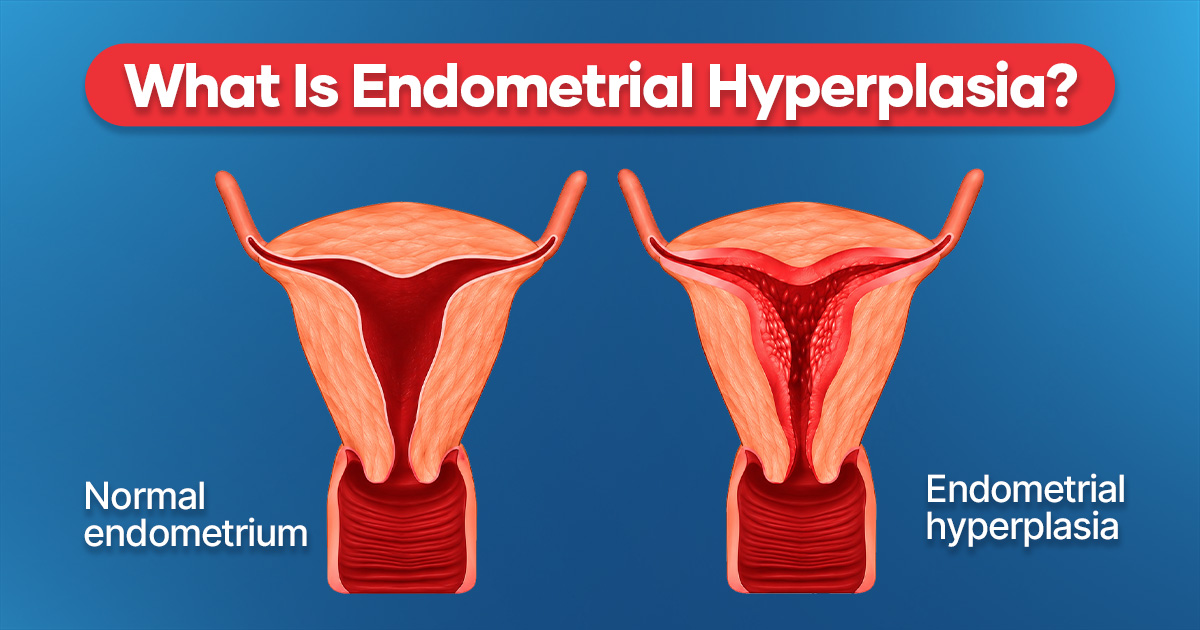
Endometrial hyperplasia occurs when the endometrium, the lining of the uterus, becomes unusually thick. This thickening most often happens because of an imbalance between the hormones estrogen and progesterone, particularly when the body is exposed to estrogen without enough progesterone to balance its effects. The condition commonly causes abnormal uterine bleeding and is more common during the transition to or after menopause.
Endometrial hyperplasia is generally classified based on whether abnormal cells, called atypia, are present:
- Hyperplasia without atypia: The uterine lining is thickened, but the cells do not show abnormal changes. This type has a relatively low risk of developing into endometrial cancer and can often be managed with hormone therapy and monitoring.
- Atypical hyperplasia: The lining contains abnormal-looking cells. This type carries a higher risk of progressing to endometrial cancer, so closer monitoring and more intensive treatment may be recommended.
What Causes Endometrial Hyperplasia?
Endometrial hyperplasia is mainly caused by an imbalance between estrogen and progesterone. Estrogen stimulates the uterine lining to grow, while progesterone helps regulate this growth and prepares the lining to shed during menstruation. When estrogen acts without enough progesterone, known as unopposed estrogen, the endometrium may continue to thicken instead of shedding normally.
Several conditions and situations can contribute to this hormonal imbalance:
- Irregular or absent ovulation: When ovulation does not occur regularly, the body may not produce enough progesterone to balance estrogen.
- Perimenopause and menopause: Hormonal changes during the transition to menopause can cause irregular ovulation and changes in estrogen and progesterone levels.
- Polycystic ovary syndrome (PCOS): PCOS can cause irregular or absent ovulation, which may result in prolonged exposure to estrogen without enough progesterone.
- Estrogen-only hormone therapy: Taking estrogen after menopause without a progestin can increase the risk of excessive endometrial growth in people who still have a uterus.
- Rare estrogen-producing tumors: Certain ovarian tumors can produce excess estrogen and contribute to endometrial thickening.
Risk Factors for Endometrial Hyperplasia
Certain factors can increase the likelihood of developing endometrial hyperplasia by affecting hormone levels or increasing exposure to estrogen over time.
- Being overweight or obese: Fat tissue can produce additional estrogen, increasing the amount of estrogen in the body.
- Increasing age: The condition becomes more common during perimenopause and after menopause because hormonal changes can affect ovulation and the balance between estrogen and progesterone.
- PCOS: Irregular ovulation associated with PCOS can lead to prolonged exposure to estrogen without sufficient progesterone.
- Early menstruation or late menopause: Starting periods at a younger age or reaching menopause later can increase the number of years the endometrium is exposed to estrogen.
- Family history and genetic conditions: A family history of endometrial or colorectal cancer may be relevant, particularly in people with inherited conditions such as Lynch syndrome, which increases the risk of certain cancers.
- Certain hormone therapies and medications: Estrogen therapy without adequate progestin may increase the risk of endometrial changes. Certain medications may also affect the uterine lining and increase this risk.
- Diabetes and metabolic conditions: Diabetes and insulin resistance are associated with hormonal and metabolic changes that may increase the risk of endometrial hyperplasia.
What Are the Complications of Endometrial Hyperplasia?
Endometrial hyperplasia can cause heavy or prolonged bleeding, which may lead to anemia. Anemia can cause symptoms such as weakness, fatigue, and dizziness and may require treatment.
Atypical endometrial hyperplasia can increase the risk of developing endometrial cancer, particularly when it is left untreated. Timely diagnosis, treatment, and follow-up can help reduce this risk.
Symptoms of Endometrial Hyperplasia
The main symptom of endometrial hyperplasia is abnormal uterine bleeding. Changes in menstrual bleeding may be easy to overlook, especially during perimenopause, but persistent or unusual bleeding should be discussed with a healthcare provider. Symptoms may include:
- Heavy menstrual bleeding: Periods may be heavier than usual or require changing pads or tampons more frequently.
- Irregular or unpredictable periods: Menstrual cycles may occur more often, less often, or at unexpected times.
- Bleeding between periods: Vaginal bleeding may occur between regular menstrual cycles.
- Longer-than-usual periods: Menstrual bleeding may continue for more days than is typical for the individual.
- Bleeding after menopause: Any vaginal bleeding after menopause should be evaluated, as it can have several causes, including endometrial changes.
- Pelvic discomfort: Some people may experience pelvic discomfort.
Because abnormal uterine bleeding can have many possible causes, including endometrial hyperplasia and other conditions, it is important to have persistent or unusual bleeding evaluated. A healthcare provider can review the person’s symptoms and medical history and determine whether further evaluation of the uterine lining is needed.
How Is Endometrial Hyperplasia Diagnosed?
Diagnosing endometrial hyperplasia usually begins with evaluating abnormal uterine bleeding and may involve imaging and tissue sampling. Because ultrasound alone cannot confirm whether abnormal cells are present, an endometrial biopsy is often needed to make a definitive diagnosis.
- Medical history and bleeding patterns: A healthcare provider will ask about the timing, duration, and amount of menstrual bleeding, as well as any bleeding between periods or after menopause. Medical history, medications, and risk factors may also be reviewed.
- Pelvic examination: A pelvic examination may be performed to check for other possible causes of abnormal vaginal bleeding and assess the reproductive organs.
- Transvaginal ultrasound: This imaging test uses sound waves to examine the uterus and measure the thickness of the endometrium. A thickened lining may indicate the need for further evaluation, but ultrasound cannot determine whether atypical cells are present.
- Endometrial biopsy: During a biopsy, a small sample of tissue is collected from the uterine lining and examined under a microscope by a pathologist. This is an important test for confirming endometrial hyperplasia and determining whether atypia, or abnormal changes in the cells, is present.
- Hysteroscopy: If further evaluation is needed, a healthcare provider may use a thin, lighted instrument called a hysteroscope to examine the inside of the uterus. It can also help identify areas that may need targeted tissue sampling.
How Does Tissue Testing Determine Atypia?
The tissue collected during an endometrial biopsy is examined under a microscope. A pathologist evaluates the appearance and arrangement of the endometrial cells to determine whether they are normal or show atypical changes. This distinction is important because hyperplasia without atypia generally has a lower risk of progressing to endometrial cancer, while atypical hyperplasia carries a higher risk and may require closer monitoring or more intensive treatment.
Nonatypical Endometrial Hyperplasia Clinical Trials
Every Step Forward Begins With Research
Learn about Nonatypical Endometrial Hyperplasia clinical trials and see if you may qualify to contribute to the search for better treatment options.
Treatment Options for Endometrial Hyperplasia
Treatment for endometrial hyperplasia depends mainly on whether atypical cells are present, along with factors such as age, symptoms, overall health, and whether pregnancy is desired in the future. The goal is to control abnormal growth of the uterine lining, reduce the risk of progression to cancer, and preserve fertility when possible.
- Progestin therapy: Progestins help balance the effects of estrogen and encourage the uterine lining to become thinner. They may be given as oral medication or through a levonorgestrel-releasing intrauterine device (IUD). A hormonal IUD may be preferred for some people with hyperplasia without atypia.
- Monitoring: For hyperplasia without atypia, healthcare providers may recommend follow-up examinations and repeat endometrial biopsies to determine whether the lining has returned to normal. The timing of follow-up depends on the individual’s condition and treatment response.
- Hysterectomy: A hysterectomy, which involves removing the uterus, may be recommended when atypical hyperplasia is present, particularly for people who have completed childbearing. It may also be considered when hyperplasia does not respond to medical treatment, returns after treatment, or cannot be adequately monitored.
- Fertility considerations: Treatment decisions may differ for people who wish to become pregnant. Those with atypical hyperplasia who want to preserve fertility may be considered for hormone-based treatment under close specialist supervision. Regular biopsies are needed to monitor the response before pregnancy is attempted.
The appropriate treatment should be determined by a healthcare provider based on the type of hyperplasia, individual risk factors, treatment response, and reproductive plans.
Can Endometrial Hyperplasia Turn into Cancer?
Endometrial hyperplasia is not cancer, but some forms can increase the risk of developing endometrial cancer. The risk depends largely on whether the cells in the uterine lining show atypical changes.
Hyperplasia without atypia generally has a lower risk of progressing to cancer and may improve with appropriate hormone treatment and regular follow-up. In contrast, atypical endometrial hyperplasia, also called endometrial intraepithelial neoplasia (EIN), is considered a precancerous condition and has a substantially higher risk of progressing to endometrial cancer if left untreated.
Not every person with endometrial hyperplasia will develop cancer. However, because atypical hyperplasia can sometimes occur alongside an existing cancer or progress to cancer over time, proper diagnosis is important. Treatment and follow-up may include progestin therapy, repeat tissue sampling, or surgery depending on the individual’s condition and treatment goals.
Regular monitoring is especially important for people receiving nonsurgical treatment. Follow-up biopsies allow healthcare providers to determine whether the hyperplasia is improving, persisting, or progressing.
When Should You See a Doctor?
You should speak with a healthcare provider if you notice unusual or persistent changes in your menstrual bleeding, as these symptoms can have several possible causes, including endometrial hyperplasia. Seek medical evaluation if you experience:
- Heavy or prolonged menstrual bleeding: Periods that are noticeably heavier or last longer than usual should be evaluated.
- Bleeding between periods: Unexpected bleeding between menstrual cycles may require further assessment.
- Vaginal bleeding after menopause: Any bleeding after menopause should be evaluated, even if it occurs only once.
- Persistent changes in menstrual patterns: Ongoing changes in the timing, frequency, or amount of menstrual bleeding should not be ignored.
Abnormal bleeding should not automatically be considered a normal part of aging or menopause. A healthcare provider can determine the underlying cause and recommend appropriate testing or treatment when needed.
Prevention and Risk Reduction
While endometrial hyperplasia cannot always be prevented, certain steps may help reduce the risk by supporting hormonal balance and addressing underlying conditions:
- Maintain a healthy weight: If you are overweight, gradual weight loss may help reduce excess estrogen exposure and lower the risk of endometrial changes.
- Manage conditions such as PCOS and diabetes: Proper management of conditions that affect hormones or metabolism may help reduce risk factors associated with endometrial hyperplasia.
- Use hormone therapy appropriately: If estrogen is prescribed after menopause, a healthcare provider may also recommend progestin or progesterone for people who have a uterus to help protect the uterine lining.
- Address irregular periods: Hormonal birth control or other progestin-based treatments may be recommended for some people with irregular periods to help regulate the uterine lining.
- Seek evaluation for abnormal bleeding: Persistent or unusual bleeding should be assessed rather than ignored, particularly after menopause.
- Follow recommended monitoring: If you have previously been diagnosed with endometrial hyperplasia, attend follow-up appointments and recommended biopsies to monitor the condition and response to treatment.
Research Study for Women With Endometrial Hyperplasia
Zillan Clinical Research is conducting women’s health research studies, including an endometrial hyperplasia clinical trial evaluating a potential new treatment for women diagnosed with non-atypical endometrial hyperplasia (NAEH). The study aims to assess the safety and effectiveness of the investigational device in helping restore the uterine lining to normal.
Nonatypical Endometrial Hyperplasia Clinical Trials
Every Step Forward Begins With Research
Learn about Nonatypical Endometrial Hyperplasia clinical trials and see if you may qualify to contribute to the search for better treatment options.
Conclusion:
Endometrial hyperplasia causes abnormal thickening of the uterine lining, often due to hormonal imbalance. Although some cases may improve, proper diagnosis and follow-up are important, especially when atypical cells are present. Recognizing abnormal bleeding and seeking timely medical care can support early management and help reduce the risk of complications, including cancer.
FAQs:
Can endometrial hyperplasia go away on its own?
Yes, endometrial hyperplasia can sometimes go away on its own, particularly when there is no atypia. However, it should not be left untreated or unmonitored, as the condition may persist or worsen. Follow-up with a healthcare provider is important to determine whether the lining has returned to normal and whether treatment is needed.
What is the main cause of endometrial hyperplasia?
The main cause of endometrial hyperplasia is an imbalance between estrogen and progesterone, particularly when estrogen acts without enough progesterone to balance its effects. This unopposed estrogen can cause the uterine lining to grow excessively and become abnormally thick.
What are the first signs of endometrial cancer?
The most common first sign of endometrial cancer is abnormal vaginal bleeding. This may include bleeding between periods, unusually heavy or prolonged menstrual bleeding, or any vaginal bleeding after menopause. Some people may also experience pelvic pain or discomfort. Because these symptoms can have many causes, unusual or persistent bleeding should be evaluated by a healthcare provider.
Medical Disclaimer: This blog is for educational purposes only and is not a substitute for any medical advice, diagnosis, or treatment. Consult a qualified healthcare professional for guidance about your individual health needs.