Note: This content is for educational purposes only and is not intended to replace professional medical advice, diagnosis, or treatment. Always consult your healthcare professional for personalized guidance regarding your symptoms and treatment options.
Quick Answer
Vascular dementia is not usually inherited directly, but genetic factors can influence a person’s risk. Family history of vascular disease, strokes, or early-onset dementia may increase concern. Rare inherited disorders, such as CADASIL and CARASIL, can directly affect brain blood vessels. Genetic counselling may help clarify inherited risks and testing options.
Key Takeaways
- Vascular dementia usually does not follow a simple inherited pattern.
- Genetic factors can influence conditions that increase vascular dementia risk.
- Rare disorders such as CADASIL and CARASIL can affect brain blood vessels.
- Family history does not mean a person will develop vascular dementia.
- Stroke, high blood pressure, diabetes, and other vascular factors can increase risk.
- Vascular dementia and Alzheimer’s disease can occur together as mixed dementia.
- Genetic counselling may help clarify inherited risks and testing options.
What Is Vascular Dementia?
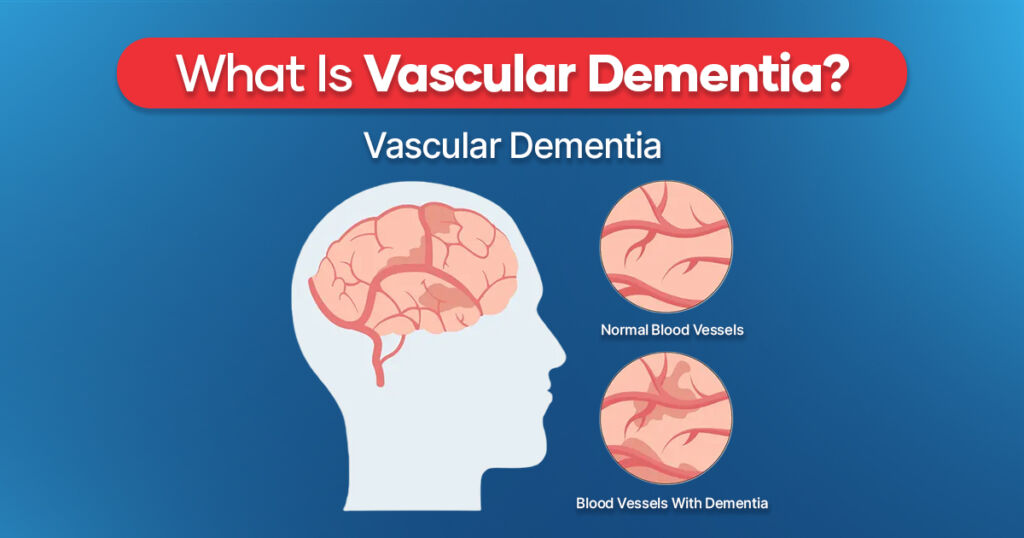
Vascular dementia is a type of dementia that develops when reduced blood flow or damage to blood vessels affects the brain. The brain needs a steady supply of oxygen and nutrients to support memory, thinking, reasoning, and other cognitive functions. When blood vessel problems disrupt this supply, they can damage brain cells and affect how the brain works.
Several conditions can cause the blood flow problems linked to vascular dementia. A stroke can block or reduce blood flow to part of the brain, while small vessel disease can damage the tiny blood vessels that supply brain tissue. Other vascular problems, including repeated small strokes, can also contribute to cognitive decline.
Vascular dementia usually develops gradually, although some people experience noticeable changes after a major stroke. Symptoms can include problems with memory, attention, reasoning, planning, or movement. The condition can worsen over time, but managing the underlying vascular risk factors may help slow further brain damage.
Is Vascular Dementia Hereditary?
Vascular dementia itself does not usually follow a simple inherited pattern. However, genes can influence a person’s risk by affecting conditions that damage blood vessels and increase the risk of dementia.
Can Vascular Dementia Run in Families?
Conditions such as high blood pressure, heart disease, and diabetes can run in families. Shared genes, lifestyle factors, or both can contribute to these conditions. These conditions can increase the risk of blood vessel damage and, in turn, vascular dementia.
Can Genetic Conditions Cause Vascular Dementia?
Certain rare genetic disorders can directly affect blood vessels in the brain and increase the risk of strokes and vascular dementia. CADASIL and CARASIL are two examples.
CADASIL can pass from one affected parent to a child. It can cause migraine headaches, repeated strokes, and changes in the brain’s small blood vessels. CARASIL usually requires a child to inherit altered copies of the relevant gene from both parents. It can cause symptoms such as stiff legs and difficulty walking.
Does a Family History Mean You Will Develop Vascular Dementia?
A family history of vascular dementia or vascular disease does not mean that someone will develop vascular dementia. It may indicate a higher risk, but it does not determine an individual’s outcome.
Other factors also affect risk, including blood pressure, cholesterol, diabetes, smoking, physical activity, and a history of stroke. Managing these factors can play an important role in reducing vascular risk.
Vascular Dementia Causes
Vascular dementia occurs when problems with the brain’s blood vessels interfere with its blood supply. Without enough oxygen and nutrients, brain tissue can become damaged. The location and extent of this damage can affect memory, thinking, attention, and other cognitive abilities.
Several types of blood vessel problems can contribute to vascular dementia:
- Stroke: An ischemic stroke can block blood flow to part of the brain, while a hemorrhagic stroke can damage brain tissue through bleeding.
- Small vessel disease: Damage to the brain’s tiny blood vessels can gradually affect the surrounding brain tissue.
- Atherosclerosis: Plaque buildup can narrow the arteries and restrict blood flow to the brain.
- Repeated vascular injuries: Multiple strokes or smaller areas of blood vessel damage can accumulate over time and contribute to cognitive decline.
Risk Factors for Vascular Dementia
Certain health conditions and lifestyle factors can increase the risk of blood vessel damage and vascular dementia. Common risk factors include:
- Age, particularly after 60
- Atrial fibrillation (Afib)
- Diabetes
- Heart disease
- High blood pressure (hypertension)
- High cholesterol
- A history of stroke
- Smoking
Complications of Vascular Dementia
As vascular dementia progresses, it can affect many aspects of daily life. In the later stages, a person may need extensive support with personal care, communication, and everyday activities.
Late-stage symptoms and complications may include:
- Depression and apathy
- Hallucinations or delusions
- Severe memory loss
- Difficulty communicating or loss of language skills
- Problems with eating, bathing, dressing, and other daily activities
- Restlessness, agitation, or changes in behavior
- Increasing physical difficulties that affect mobility and independence
The course of vascular dementia varies from person to person. A healthcare team can explain how the condition may progress and what types of support may become necessary as symptoms change.
How Does Vascular Dementia Differ from Alzheimer’s Disease?
Vascular dementia and Alzheimer’s disease both cause cognitive decline, but they develop through different processes. Vascular dementia results from problems with blood flow to the brain, often after strokes or damage to small blood vessels. Alzheimer’s disease involves changes in the brain associated with abnormal protein buildup, which gradually damages nerve cells.
How Do Their Symptoms Differ?
The early symptoms can also differ. Vascular dementia often affects attention, thinking speed, planning, and decision-making. Alzheimer’s disease more commonly begins with problems remembering recent information. However, symptoms can vary, and both conditions can eventually affect memory, communication, reasoning, and daily activities.
Can Someone Have Both Conditions?
Yes. A person can have both vascular dementia and Alzheimer’s disease. Doctors often call this mixed dementia. Blood vessel damage and Alzheimer’s-related brain changes can occur together, and their combined effects can contribute to cognitive decline. In these cases, both conditions may contribute to the person’s symptoms.
When Should You Consider Genetic Counselling?
Genetic counselling may be helpful when a person or family has a pattern that suggests an inherited vascular condition. Certain patterns can raise the possibility of a genetic disorder that affects blood vessels in the brain.
You may consider genetic counselling if you have:
- A family history of early-onset vascular dementia
- Multiple relatives who had strokes or vascular dementia at young ages
- Symptoms or a family history that suggest an inherited vascular disorder
- A known genetic condition that can affect brain blood vessels
What Can Genetic Counselling Help Clarify?
A genetic counsellor can review your personal and family history to assess whether genetic testing may be appropriate. They can explain potential genetic risks, discuss available testing options, and help you understand what test results could mean for you and your family.
Clinical Trials in Neurology
Neurology clinical trials study potential new treatment approaches for conditions affecting the brain and nervous system. For example, ongoing Alzheimer’s clinical trials are evaluating the safety and effectiveness of an investigational drug in adults with hallucinations and delusions associated with Alzheimer’s disease psychosis.
Conclusion:
In conclusion, if you are wondering is vascular dementia hereditary, it is not usually inherited directly, but genetic factors can influence vascular risk, and certain rare disorders can increase susceptibility. Family history may provide important clues, especially when dementia or strokes occur early. Understanding your risk factors and discussing concerning family patterns with a healthcare professional can support appropriate evaluation.