Key Takeaways
- Uterine fibroids are benign growths, meaning they are not cancer.
- Most fibroids are not dangerous, but some can cause significant symptoms or complications.
- Heavy menstrual bleeding, pelvic pressure, pain, urinary symptoms, and bowel symptoms can occur.
- Pelvic pain from fibroids may vary from mild pressure or aching to more significant discomfort.
- Fibroids can sometimes affect fertility or pregnancy depending on their size and location.
- Treatment is not always necessary and depends on symptoms, fibroid characteristics, and individual goals.
- Persistent, severe, or unusual symptoms should be evaluated by a healthcare professional.
Quick Answer:
Uterine fibroids are common growths that develop in or around the uterus. They are usually non-cancerous, but depending on their size, number, and location, they can cause symptoms that affect daily life, menstrual health, and sometimes fertility. So, are uterine fibroids dangerous? In most cases, no. However, some fibroids can cause significant bleeding, pain, pressure, or other complications that may require medical evaluation and treatment.
What Are Uterine Fibroids?
Uterine fibroids, also called leiomyomas or myomas, are benign growths that develop from the muscle tissue of the uterus. They can occur as a single growth or as multiple fibroids and can vary considerably in size. Some are very small, while others can become large enough to change the shape or size of the uterus.
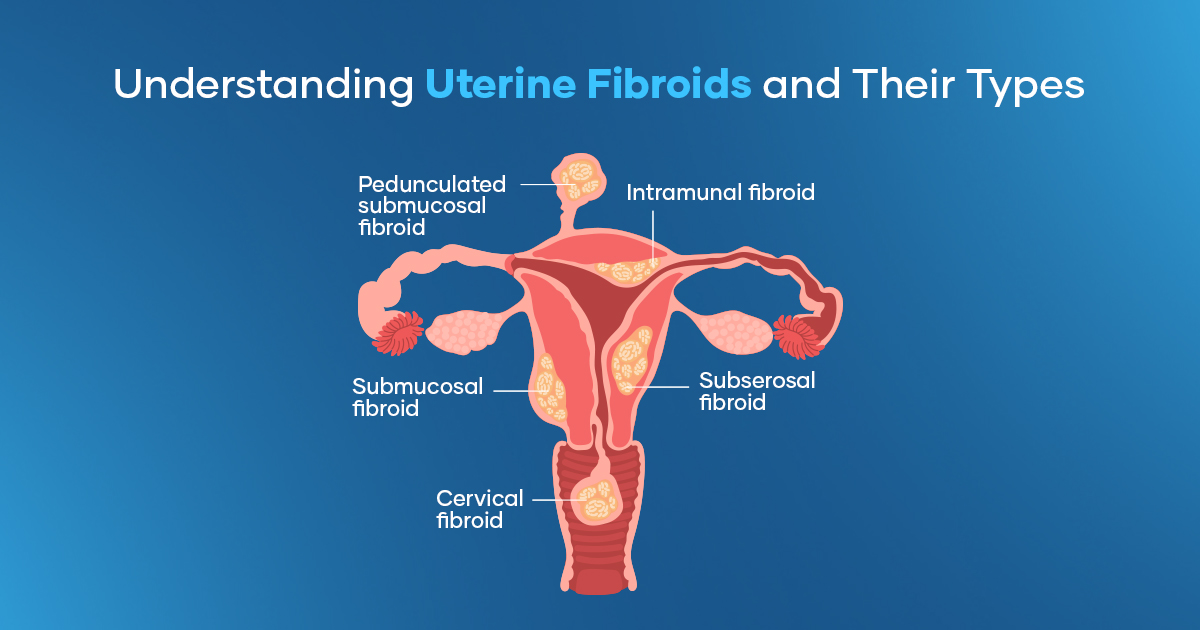
Fibroids can develop in different areas:
- Intramural fibroids: Grow within the muscular wall of the uterus.
- Submucosal fibroids: Grow toward the inner cavity of the uterus.
- Subserosal fibroids: Develop on the outer surface of the uterus.
- Pedunculated fibroids: Grow on a stalk-like structure attached to the uterus.
Some people have fibroids without experiencing any symptoms. In other cases, their size or location can contribute to heavy menstrual bleeding, pelvic discomfort, pressure, or reproductive concerns.
Are Uterine Fibroids Dangerous?
For most people, uterine fibroids are not considered dangerous because they are benign and are not the same as uterine cancer. Fibroids also almost never become cancerous.
However, that does not mean they should always be ignored. Fibroids can cause symptoms ranging from mild discomfort to problems that interfere with everyday activities. Heavy menstrual bleeding, for example, can contribute to anemia, while larger fibroids may place pressure on the bladder or bowel.
The potential impact of a fibroid depends on several factors, including:
- Its size
- Its location
- The number of fibroids present
- The symptoms it causes
- Whether it affects the uterine cavity
- A person’s reproductive goals and overall health
A healthcare professional can determine whether monitoring or treatment is appropriate based on these factors.
What Symptoms Can Fibroids Cause?
Many people with fibroids have no symptoms. When symptoms do occur, they can vary depending on the size and location of the growths.
Common symptoms include:
Heavy or Prolonged Menstrual Bleeding
Fibroids can cause menstrual periods that are heavier, longer, or more frequent than usual. Some people may also experience bleeding between periods. Heavy blood loss over time can contribute to anemia, which may cause tiredness or weakness.
Pelvic Pain from Fibroids
Pelvic pain from fibroids can feel like pressure, aching, cramping, or discomfort in the lower abdomen. Some people may also experience lower back pain or pain during sex. Larger fibroids can create a sensation of fullness or pressure in the pelvis.
In rare situations, a fibroid can undergo degeneration, or a stalked fibroid can twist, potentially causing sudden pain and other symptoms. Persistent or severe pelvic pain should therefore be evaluated rather than automatically attributed to fibroids.
Pressure on the Bladder or Bowel
Large fibroids may press against nearby organs. This can lead to frequent urination, difficulty emptying the bladder, constipation, or difficulty with bowel movements.
Fertility and Pregnancy Concerns
Fibroids do not necessarily prevent pregnancy. However, certain fibroids, particularly those that affect the uterine cavity, may be associated with infertility or pregnancy loss. The effect depends largely on the location and characteristics of the fibroid.
If you are experiencing fertility concerns and have been diagnosed with fibroids, discuss your individual situation with an obstetrician-gynecologist or fertility specialist.
When Should You See a Doctor?
Although fibroids are often harmless, certain symptoms deserve medical attention. Consider speaking with a healthcare professional if you experience:
- Persistent pelvic pain
- Very heavy or painful periods
- Bleeding between periods
- Periods that interfere with daily activities
- Frequent urination or difficulty emptying your bladder
- Persistent fatigue or weakness that could be associated with anemia
- New or worsening symptoms after being diagnosed with fibroids
Sudden or severe pelvic or abdominal pain should not automatically be assumed to be caused by fibroids. Other conditions can produce similar symptoms, so proper evaluation is important.
How Are Fibroids Diagnosed?
Fibroids may sometimes be detected during a routine pelvic examination. If fibroids are suspected, an ultrasound is commonly used to visualize the uterus and identify the size and location of the growths. Depending on the circumstances, additional imaging or procedures may be recommended.
Diagnosis is important because pelvic pain, heavy bleeding, and other symptoms can have several possible causes. Identifying the underlying cause helps healthcare professionals determine the most appropriate next steps.
How Are Uterine Fibroids Treated?
Not every fibroid requires treatment. If fibroids are small and do not cause significant symptoms, a healthcare professional may recommend monitoring them over time.
When treatment is needed, options may include:
Medications
Certain medications may help manage symptoms such as heavy menstrual bleeding or painful periods. The appropriate medication depends on individual circumstances, symptoms, and medical history.
Minimally Invasive Procedures
Some procedures are designed to reduce fibroid-related symptoms or shrink fibroids. Options can include uterine artery embolization and certain ablation techniques. The suitability of each option depends on factors such as fibroid size, location, symptoms, and reproductive goals.
Surgery
A myomectomy removes fibroids while preserving the uterus. A hysterectomy removes the uterus and is a definitive treatment for fibroids, but it also eliminates the ability to become pregnant. These options are considered based on individual circumstances and preferences.
Can Fibroids Go Away on Their Own?
Fibroids can change in size over time. They may grow, remain stable, or shrink, and they often become smaller after menopause as reproductive hormone levels decrease. However, this does not happen for everyone.
Because fibroid behavior can vary, regular medical follow-up may be recommended when symptoms are present or when a healthcare professional wants to monitor their size.
The Role of Clinical Research in Uterine Fibroids
While existing treatments can help many people manage fibroid symptoms, researchers continue to study new approaches to diagnosis and treatment. Clinical research helps evaluate potential therapies and provides information about their safety and effectiveness.
If you are interested in learning more about Clinical Research Studies, Zillan Clinical Research provides information about research opportunities and participant screening. Zillan Clinical Research is currently conducting Phase I-IV research across multiple therapeutic areas, including Women’s Health.
People interested in research can also explore available Women’s Health Clinical Trials and discuss study eligibility with the research team. Participation in a clinical trial is voluntary, and eligibility requirements vary by study.
Note: It is important to remember that a clinical trial is not a guarantee of receiving a particular treatment or experiencing a particular outcome. Study teams provide information about the research, eligibility requirements, procedures, potential risks, and participant rights before enrollment.
Final Thoughts
Generally, uterine fibroids are not dangerous because they are non-cancerous growths and many people have them without experiencing symptoms. However, fibroids can sometimes cause heavy bleeding, anemia, pelvic pain, pressure, urinary or bowel problems, and fertility concerns.
The key is not simply whether a fibroid is present, but how it affects your health and quality of life. If you experience persistent pelvic pain, unusually heavy bleeding, or other concerning symptoms, speak with a healthcare professional for appropriate evaluation. For those interested in advancing women’s health research, Uterine Fibroid Clinical Trials may also provide opportunities to learn about investigational approaches when an appropriate study is available.
Frequently Asked Questions
Are uterine fibroids dangerous?
Fibroids are benign growths and are not cancer. However, some can cause significant bleeding, pain, pressure, anemia, or reproductive concerns and may require treatment.
Can non-cancerous growths in the uterus become cancerous?
Uterine fibroids are non-cancerous growths, and they almost never become cancerous. A healthcare professional should evaluate unusual or changing symptoms rather than assuming they are caused by a known fibroid.
What does pelvic pain from fibroids feel like?
Pelvic pain from fibroids may feel like aching, cramping, pressure, or fullness in the lower abdomen. Pain can also occur in the lower back or during sex.
Can fibroids cause heavy periods?
Heavy or prolonged menstrual bleeding is one of the common symptoms associated with uterine fibroids. In some people, substantial blood loss may contribute to anemia.
Do all uterine fibroids need treatment?
Fibroids that do not cause symptoms may not require treatment. Monitoring may be appropriate in some situations, while symptomatic fibroids may require medication, a procedure, or surgery depending on individual circumstances.
Can fibroids affect fertility?
Some fibroids may affect fertility, particularly depending on their location and whether they distort the uterine cavity. However, fibroids are not the only possible cause of infertility, so a complete evaluation is important.