
Key Takeaways
- Regular colorectal cancer screening can detect cancer early and help prevent it by identifying precancerous polyps.
- Eating a balanced diet, staying active, and maintaining a healthy weight may help lower your risk.
- Limiting processed meat, avoiding tobacco, and reducing alcohol intake are important lifestyle measures.
- Family history and certain medical conditions may mean you need earlier or more frequent screening.
- Persistent bowel changes or blood in your stool should be evaluated by a healthcare professional.
Quick Answer
You can lower your risk of colorectal cancer by getting recommended screenings, eating a balanced diet, exercising regularly, maintaining a healthy weight, avoiding tobacco, and limiting alcohol. Knowing your family history can also help you understand your risk.
Although colorectal cancer cannot always be prevented, screening can detect abnormal growths called polyps and allow them to be removed before they develop into cancer.
Introduction
Colorectal cancer can develop over time, sometimes without obvious warning signs in its early stages. This makes prevention and regular screening especially important. While some risk factors, such as age and family history, cannot be changed, everyday habits may help lower your risk.
The good news is that there are practical steps you can take to protect your colorectal health. Understanding your risk, making informed lifestyle choices, and knowing when to get screened can help you take a proactive approach to prevention.
What Is Colorectal Cancer?
Colorectal cancer begins in the colon or rectum, the two main parts of the large intestine. It often starts as a small growth called a polyp on the inner lining of the bowel. Although most polyps are not cancerous, some can develop into cancer over time.
One challenge is that colorectal cancer may not cause noticeable symptoms in its early stages. Regular screening can help identify precancerous polyps and detect cancer early, when treatment may be more effective.
Understanding how colorectal cancer develops is an important first step toward prevention. While no approach can eliminate all risk, several practical steps can help lower your risk and support better colorectal health.
1. Get Regular Colorectal Cancer Screening
Screening is one of the most effective ways to prevent colorectal cancer. It can detect cancer before symptoms appear and identify polyps that may be removed before they become cancerous.
In the United States, adults at average risk are generally advised to begin screening at age 45. People with a family history of colorectal cancer or certain medical conditions may need to start earlier.
What are the screening options?
The main options include:
- Colonoscopy: A healthcare professional examines the colon and rectum using a flexible tube with a camera. Polyps can often be removed during the procedure. For people at average risk with normal results, it is generally repeated every 10 years.
- FIT (fecal immunochemical test): This stool test checks for hidden blood and is usually done every year.
- Stool DNA-FIT test: This checks a stool sample for hidden blood and certain DNA changes associated with colorectal cancer. Testing is generally repeated every one to three years, depending on the test and applicable guidelines.
- CT colonography: This uses imaging to examine the colon and is generally repeated every five years.
- Flexible sigmoidoscopy: This examines the lower part of the colon and may be repeated every five years, or every 10 years when combined with annual FIT, under commonly used US guidelines.
Each test has different preparation requirements, benefits, and limitations. An abnormal stool test or imaging result may require a colonoscopy.
Discuss your options with a healthcare professional. The best screening plan depends on your age, medical history, risk factors, and local guidelines.
2. Eat a Balanced Diet
Your everyday food choices can support overall health and may help lower colorectal cancer risk.
Include more vegetables, fruits, whole grains, beans, and lentils in your meals. These foods provide important nutrients and help you maintain a balanced eating pattern.
Limit red and processed meat
Processed meats include bacon, sausages, hot dogs, and deli meats. Regular consumption is associated with an increased risk of colorectal cancer. Eating large amounts of red meat, such as beef, pork, and lamb, may also increase risk.
Try replacing some processed or red meat meals with fish, poultry, beans, or lentils.
Although fiber-rich foods are part of a healthy diet, research on fiber alone and colorectal cancer prevention is not conclusive. Focus on an overall balanced eating pattern rather than relying on a particular food or supplement.
3. Stay Physically Active
Regular physical activity is associated with a lower risk of colorectal cancer and supports overall health.
Walking, cycling, swimming, and other activities you enjoy can help you stay active. If you spend much of your day sitting, take regular movement breaks.
For most adults, a useful goal is at least 150 minutes of moderate physical activity each week. You can divide this into shorter sessions throughout the week and adjust your routine to your abilities.
Colorectal Cancer Screening Test Clinical Trials
Early Detection Starts With Every Step
Get to know about Colorectal Cancer Screening Test clinical trials and see if you may qualify to support research focused on improving cancer detection.
4. Maintain a Healthy Weight
Excess body weight, particularly overweight and obesity, is associated with an increased risk of colorectal cancer.
Maintaining a weight appropriate for your health may help reduce this risk. Focus on balanced meals, regular physical activity, and habits you can sustain over time rather than restrictive diets.
Weight is influenced by many factors, including genetics, medications, and medical conditions. Speak with a healthcare professional if you need help developing an appropriate plan.
5. Avoid Tobacco and Limit Alcohol
Tobacco use is associated with an increased risk of colorectal cancer and several other cancers. Quitting smoking can improve your health and reduce cancer risks over time.
Alcohol consumption is also linked to colorectal cancer risk. Avoiding alcohol or reducing your intake can help lower alcohol-related health risks.
If you smoke or find it difficult to reduce alcohol consumption, a healthcare professional can discuss appropriate support options.
6. Understand Your Personal and Family History
Your family history and medical background can influence when you should begin screening.
You may need earlier or more frequent screening if you have:
- A parent, sibling, or child who has had colorectal cancer or certain polyps.
- A personal history of colorectal polyps.
- Crohn’s disease or ulcerative colitis.
- An inherited condition such as Lynch syndrome or familial adenomatous polyposis.
Tell your healthcare professional about affected relatives and their age at diagnosis, if known. Depending on your history, earlier screening or genetic counselling may be recommended.
Having a risk factor does not mean you will develop colorectal cancer. It helps your healthcare team determine what preventive care is appropriate.
7. Recognize Warning Signs
Colorectal cancer may not cause symptoms in its early stages, making screening important even when you feel healthy.
Possible warning signs include:
- Blood in your stool or rectal bleeding.
- Persistent changes in bowel habits.
- Ongoing abdominal pain or discomfort.
- A feeling that your bowel does not empty completely.
- Unexplained weight loss or unusual fatigue.
These symptoms can have causes other than cancer, but persistent or unexplained changes should be evaluated by a healthcare professional.
Do not wait for symptoms before getting routine screening if you are eligible. If symptoms are present, seek medical evaluation rather than relying on a routine screening test alone.
8. Follow a Colorectal Cancer Prevention Checklist
Prevention does not require changing everything at once. Use this checklist to identify practical steps you can take to support your health.
- Ask your healthcare professional when you should begin screening and which test is appropriate.
- Add more vegetables, fruits, and whole grains to your meals.
- Reduce processed meat and moderate red meat intake.
- Aim for regular physical activity throughout the week.
- Work toward a healthy weight with sustainable habits.
- Avoid tobacco and limit or avoid alcohol.
- Review your family history and discuss any risk factors with your healthcare professional.
- Seek medical advice about persistent bowel changes, bleeding, or other unexplained symptoms.
Remember, healthy habits can lower risk, but they cannot eliminate it. Screening remains important even if you eat well and exercise regularly.
Colorectal Cancer Screening Test Clinical Trials
Early Detection Starts With Every Step
Get to know about Colorectal Cancer Screening Test clinical trials and see if you may qualify to support research focused on improving cancer detection.
Clinical Trials: Exploring Future Approaches to Colorectal Cancer
Oncology clinical research studies help researchers learn more about colorectal cancer and explore potential approaches to its prevention, detection, and treatment. Colorectal cancer clinical trials may evaluate investigational treatments or examine new ways to detect the disease and improve future care.
These ongoing research studies contribute to a better understanding of colorectal cancer and may help inform future care options. However, investigational treatments are still being evaluated, and their potential benefits and risks are not yet fully known.
People interested in participating in an oncology clinical research study can speak with their healthcare professional or research team to learn about the study’s purpose, eligibility requirements, and possible risks before deciding whether participation is right for them.
Conclusion
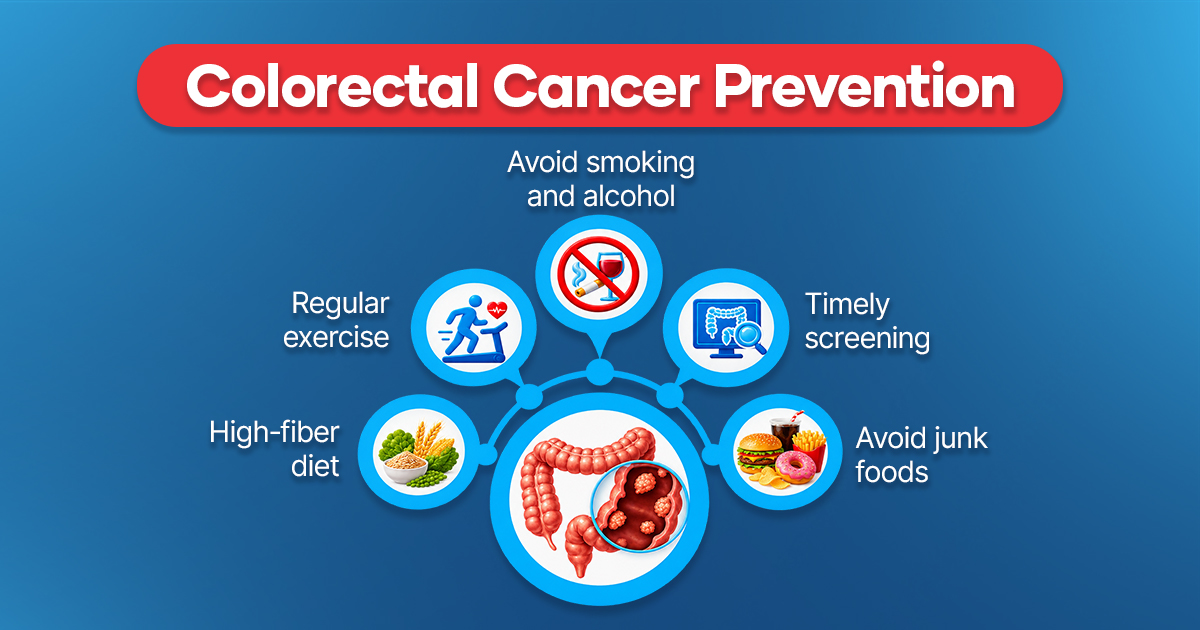
Colorectal cancer prevention starts with practical steps, including regular screening, balanced eating, physical activity, maintaining a healthy weight, avoiding tobacco, and limiting alcohol. Knowing your family history is also important, as some people may need earlier or more frequent screening.
Although not every risk factor can be controlled, staying informed and following recommended screening guidelines can help you make decisions about your health. Research also plays a role in improving our understanding of colorectal cancer screening and early detection. Zillan Clinical Research conducts colorectal cancer screening studies that explore these approaches and contribute to ongoing research in this area.
Frequently Asked Questions
1. What is the most effective way to prevent colorectal cancer?
Regular screening is one of the most effective prevention measures because it can identify and remove certain precancerous polyps.
2. Which foods may help lower colorectal cancer risk?
A balanced diet rich in vegetables, fruits, and whole grains is a good choice. Limiting processed meat and moderating red meat intake may also help.
3. At what age should colorectal cancer screening begin?
In the United States, adults at average risk should generally begin screening at age 45. People with certain risk factors may need to start earlier.
4. Can colorectal cancer develop without symptoms?
Yes. Early colorectal cancer and precancerous polyps may not cause noticeable symptoms, making routine screening important.
5. Can colorectal cancer be prevented completely?
No. Screening and healthy habits can reduce risk, but factors such as age and inherited genetic changes cannot always be controlled.
Medical Disclaimer: This blog is for educational purposes only and is not a substitute for any medical advice, diagnosis, or treatment. Consult a qualified healthcare professional for guidance about your individual health needs.
